
A Magnificent Obsession

This post is just words and pictures, but it is inspired by the movie: “Springsteen: Deliver Me from Nowhere”. The biopic makes it clear that for Springsteen, music was (and is) a Magnificent Obsession.
I have always thought that Architecture can be one too. Decades of practice have not diminished that sense. Architecture for me is an obsession. This movie brought home what that term really means. Springsteen and many other creatives in our culture have been driven by an affection for the work, but also by unforeseen circumstances.
What is an obsession? It is a thought, a sound, an experience that won’t leave you alone. It’s a perpetually recurring part of life that fills time, especially the idle moments. It is a drive to create.
“Magnificent Obsession” was also a movie created in 1954 and prior to that in 1935 from a 1929 novel. And the name was applied to a song by Nat King Cole in 1958:
“You’re my magnificent obsession
The greatest wonder on this earth
The Taj Mahal and other splendors
To me really have no worth
You’re my magnificent possession
A treasure lent me from above
As long as I have breath within me
You’ll be my one and only love”
Nat King Cole, Magnificent Obsession 1958
In the world of architecture obsession can take many forms. For the early 20th century architect Bernard Maybeck, it was among other things the creation of a sense of drama in his work. He created dramatic spaces but also occupied them in a dramatic way!
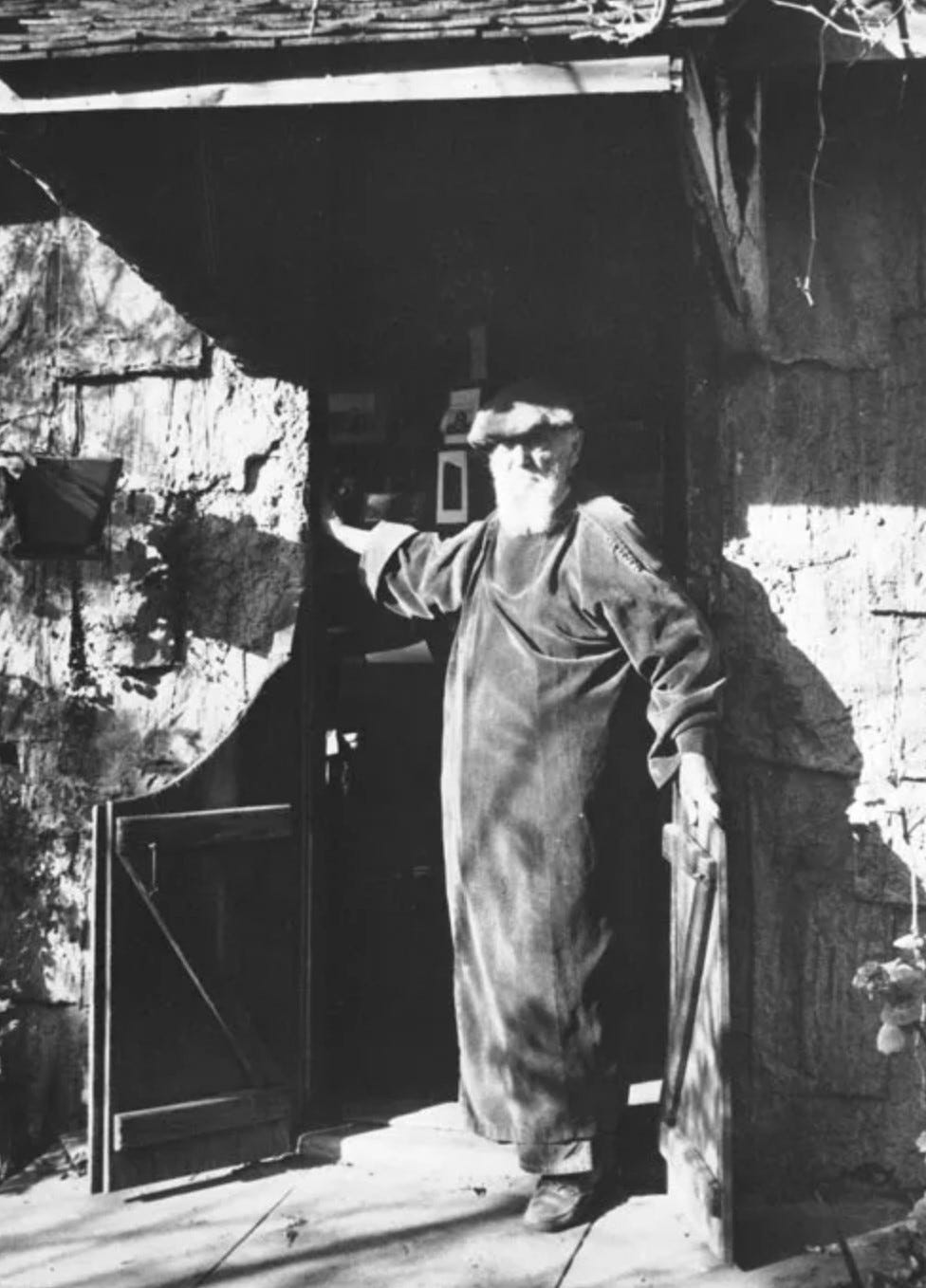
Bernard Maybeck at his home in Piedmont, CA
For Steven Holl, the flow of light amongst forms is an obsession.Steven famously sketches and watercolors constantly, exploring the way light and color come together to create transcendental experiences.We can all see the results of a brilliant mind dedicated to creating something whether it’s music, a painting, a sculpture, a movie or a piece of architecture.
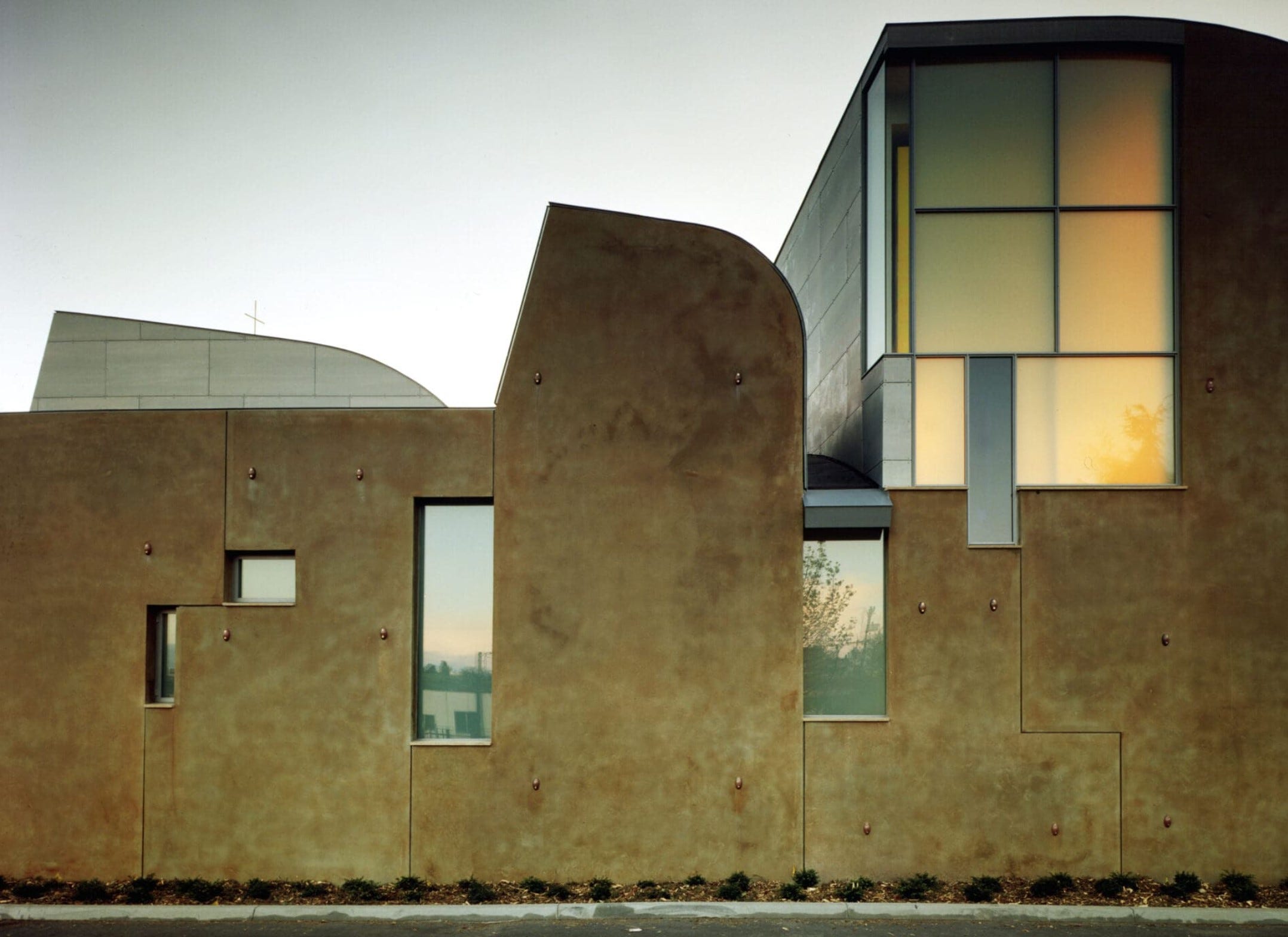
St. Ignatius Chapel, Stephen Holl
Architecture is unusual in the world of the arts. It involves the creation of products that are positioned in the marketplace or personal environment to provide a place to live, a profit or a space for public use. Architecture frequently satisfies physical needs. A place to shelter, perform or gather. Few people “collect” architecture the way other pieces of art are collected. Its expensive and takes significant periods of time to create.
Because most users of architecture have lived their lives in and around buildings, it is inherently more collaborative than many arts. Consequently the element of obsession is frequently skewed for each project. Architecture is influenced by practical things like access, response to topography, inflections to address climatic conditions, etc., but it is also affected by the tastes and predilections of those who commission architects to design buildings.
The work of Vladimir Ossipoff in Hawaii embodies both the conditions of the site and the desires of his clients. The chapel at Hawaii Preparatory Academy is a good example:
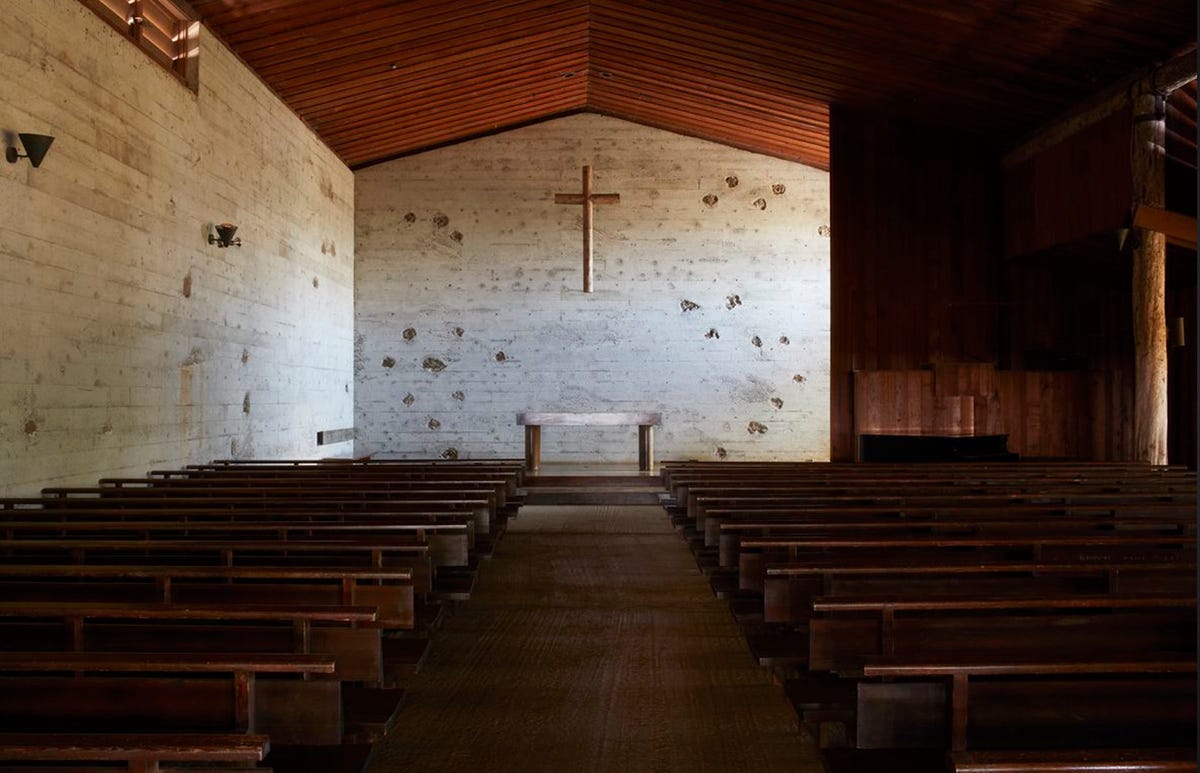
Hawaii Preparatory Academy, Vladimir Ossipoff
The elemental nature of finishes in this building combine with an exceptional use of light to create a wonderful experience. Every surface is considered and manipulated to be expressive and have an impact on the visitor.
His Single-Family work is also exceptional. As a mid-century modernist, Ossipoff worked with the interface between interior and exterior in a lush mountain environment.
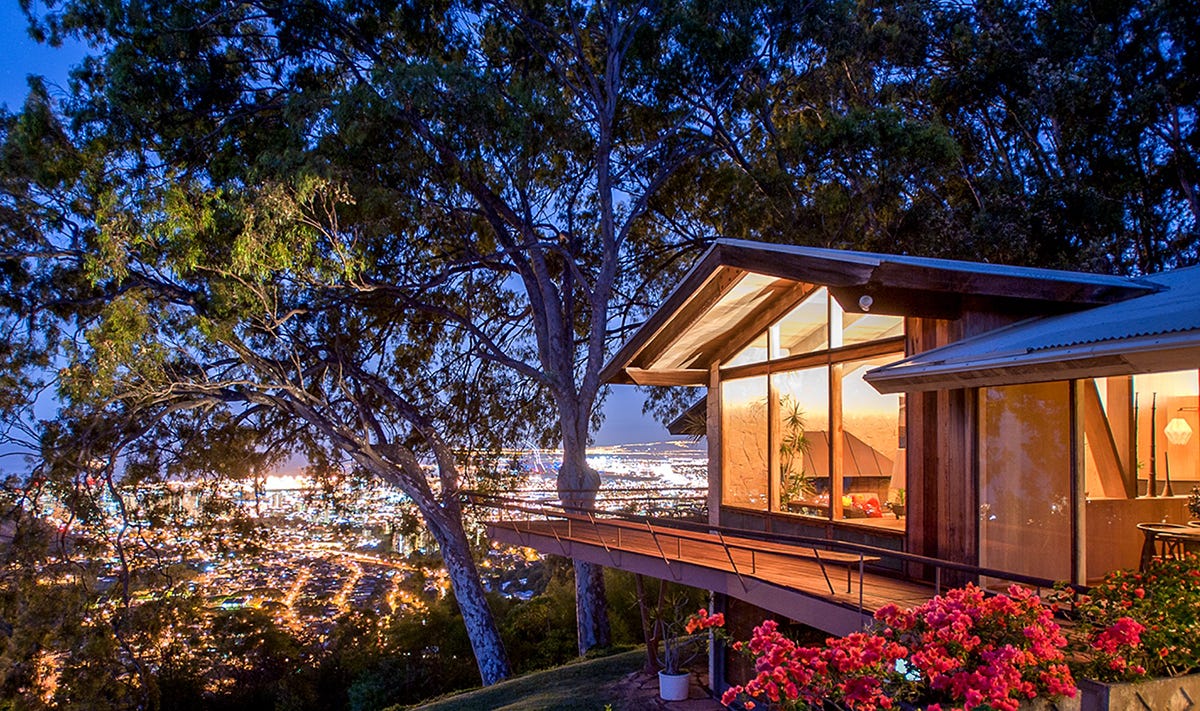
The Liljestrand House, Makiki Heights, Vladimir Ossipoff
These houses integrate the indoors and outdoors in a wonderful way. They draw on the expansive views beyond the walls of the house as well as the shapes and character of the natural surround.
An interesting aspect of this topic is the way in which obsession manifests itself in the day-to-day life of a creative person. For many it’s the suspension of time while a particular aspect of design is explored. This can take the form of modeling, sketching or painting the subject. Each technique explores potentials seeking a solution that is an ideal fit or a compelling composition.
For some, the obsession begins with an idea about a site and the people who will eventually occupy it. Through these techniques a solution takes shape which is then influenced by the reactions of peers and clients.
For others, as Mies Van Der Rohe pointed out, “god is in the details”. That phrase illuminates the impact of the fine grain of architecture on the whole. Mies’ work and that of other architects revel in the expression of structure that could only be achieved with an obsessive attention to detail.Mies could be considered a minimalist in his approach.
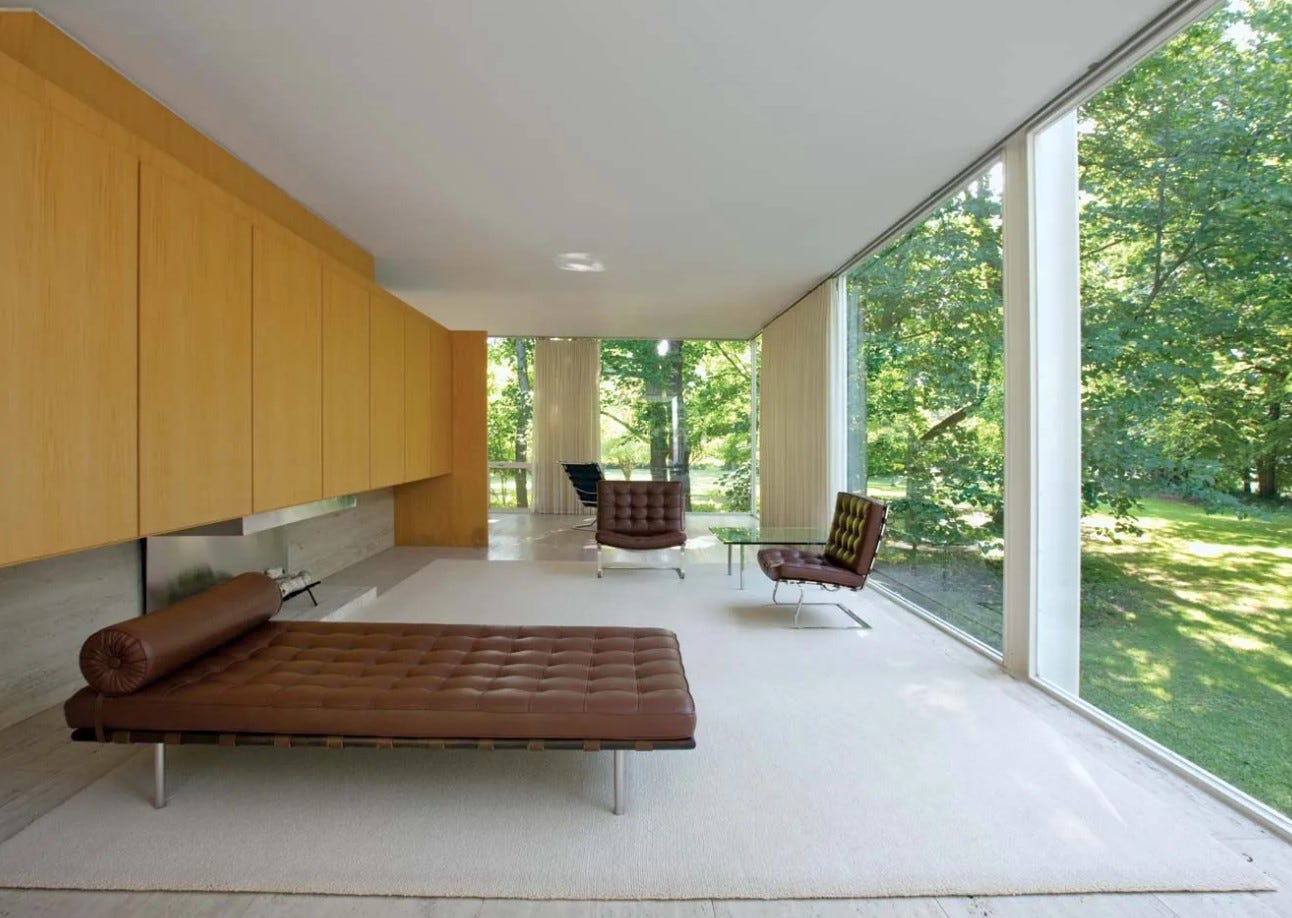
Farnsworth House, Plano, Ill., designed by Ludwig Mies van der Rohe
Others have found equal success tied to detail. Contemporaries of Van Der Rohe developed a detail-oriented approach in the Pacific Northwest applying similar attention to the assembly of buildings. This effect can be seen starting with mid-century modernists such as Paul Kirk, Wendell Lovett, Arnie Bystrum, Roland Terry, Ibsen Nelson and others. This amazing body of work was stimulated by the times, but also by the geographic connection with Japan, with the prevalence of wood in the region and with a cadre of skilled craftsmen. Today many Northwest Architects pursue similar goals and ideals, carrying on this tradition.
James Cutler of Cutler Anderson Architects strives to create buildings that honor the materials used in their construction. In these buildings every connection and every stick of wood is honored. The fine grain of this attention is applied to create rich pavilions of space ideally tuned to their surroundings and to the needs and desires of those who occupy them.
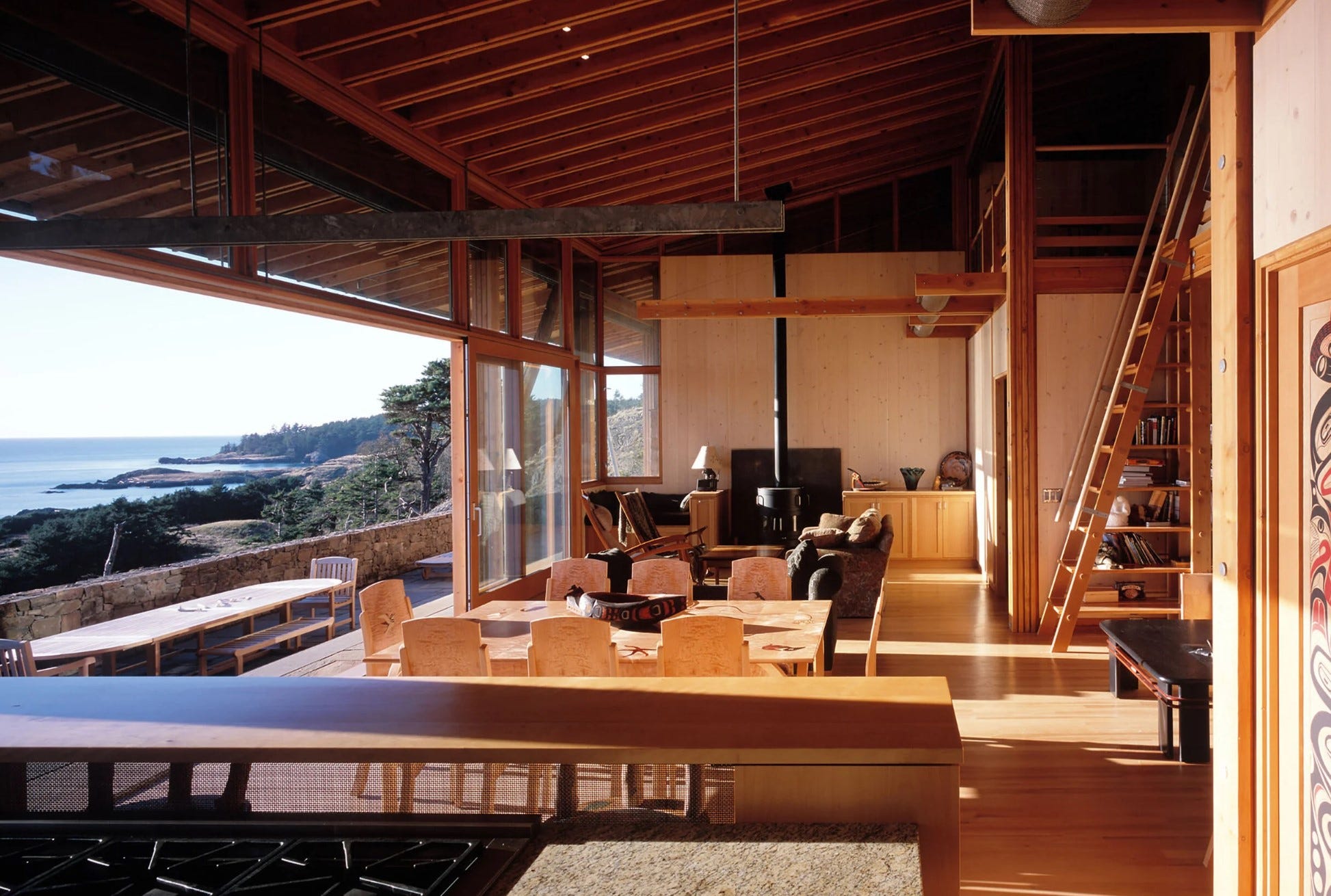
Lopez Island Residence, Cutler Anderson Architects
This mix of goals – attention to detail, honoring of materials, integrating the natural environment in the way buildings are sited and constructed – is a good example of a magnificent obsession. It takes dedication, focus and determination to start with a place and a rough program and end with a piece of architecture that will stand the test of time and create wonderful living experiences for those who occupy and visit each building.
So, how does this obsession manifest itself. Architects like those noted above and others such as Rem Koolhaas, Bjarke Ingels and Snohetta dive deeply into the root conditions that comprise the site and program.
Ideally, this is an immersive effort. Spending time on a site, exploring the goals and interests of clients and thinking deeply about how buildings go together are all part of this effort. Symptoms of this obsession include, as one of these architects claimed, “dreaming in detail”. Surely obsessing about the design and visual/spatial impact requires visualization whether in dreams or during the waking hours. 20th century architects didn’t have the advantage of computer-generated modeling. For them, the process of drawing, sketching, painting and modeling helped to embed the evolving character of designs in the minds of their creators.
Another aspect of Obsession is the “chasing of details”. When a critical intersection of materials is revealed during design evolution, the implications of that solution may ripple through the rest of the design. A reveal at one height might influence the detailing of door and window trim, cabinets and other elements as it is chased around the building.
Some would say that exceptional architecture requires a Magnificent Obsession. It requires knowing a design deeply enough to dream about it or to wake up with a vision that resolves a detail problem or to feel compelled to model a detail either physically or virtually to see how it actually behaves. This requirement of exceptional architecture runs up against the constraints of time and money, but somehow the best architects find a way, perhaps through obsession, to refine and resolve and to come as close to perfection as possible.
Note: This blog consists of pieces developed for the “Tuesday University” program at Johnston Architects. Photographs and other embedded graphics are used for educational and illustrative purposes only.